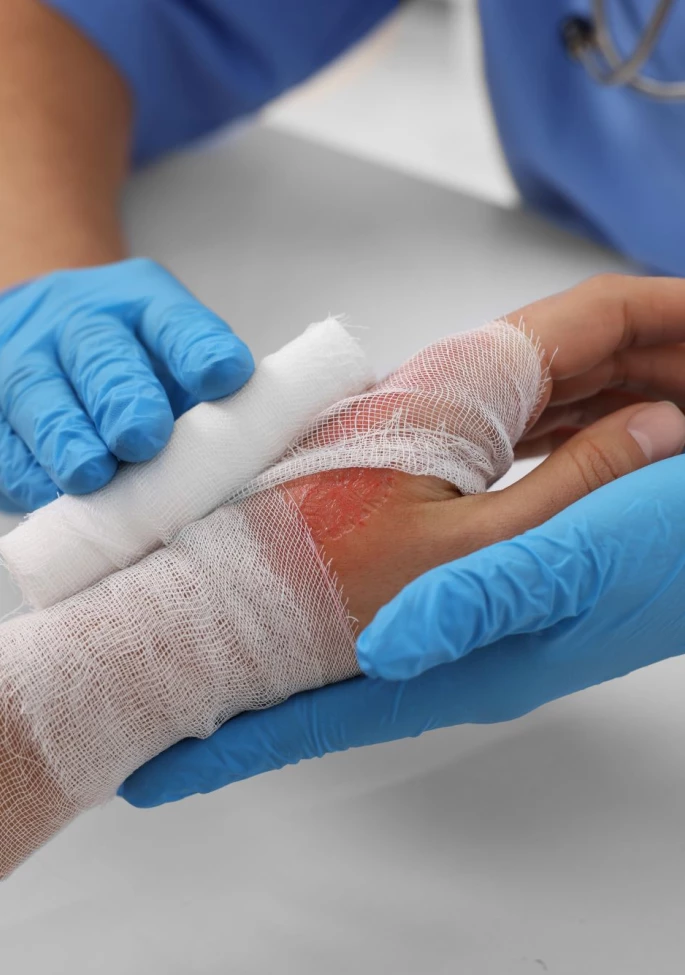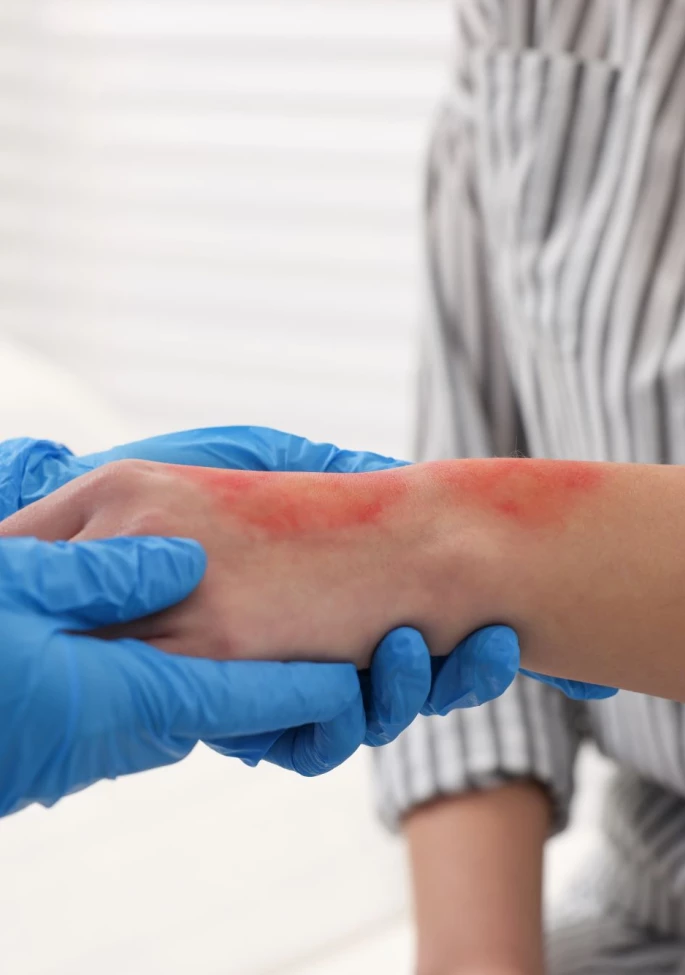

A catastrophic burn injury changes a person’s life in an instant. For many burn survivors, the challenges do not end after the initial trauma is treated. The World Health Organization reports that “non-fatal burns are a leading cause of morbidity, including prolonged hospitalization, disfigurement and disability, often with resulting stigma and rejection.” These effects extend beyond hospital doors, influencing a survivor’s physical health, emotional well‑being, and long-term financial stability.
National Burn Awareness Week, observed February 1–7, is a time to better understand these ongoing challenges and reaffirm support for survivors. It also highlights the essential role life care planners and vocational experts play in an individual’s recovery journey. Their work ensures that the full scope of a survivor’s current and future health needs is clearly identified, well‑documented, and accurately valued.
Key Elements of a Burn Life Care Plan
Burn survivors regularly require a combination of ongoing medical treatment, rehabilitative therapies, and emotional support services. A thorough life care plan outlines the frequency, duration, and type of care needed based on physician recommendations, clinical findings, and evidence-based standards.
As IMS Life Care Planning Expert and burn specialist Jennifer Wall, MSPAS, PA‑C, CLCP, CGCM, explains:
“A comprehensive life care plan is necessary for a catastrophic burn survivor because burn injuries are complex, lifelong conditions that affect nearly every aspect of physical, psychological, and social functioning. A life care plan ensures that both current and future medical, psychological, and supportive needs are accurately identified, coordinated, and funded over the individual’s lifetime.”
Medical Care
Burn survivors can face significant challenges related to pain, hypersensitivity, and functional limitations. While needs vary based on severity and injury location, they commonly include:
- Wound care and ongoing skin management: Dressing changes, infection monitoring, scar‑management strategies, and long-term dermatologic care.
- Surgical interventions: Procedures such as skin grafts, reconstructive surgeries, tissue expansion, contracture releases, and periodic revisions as the body heals and changes.
- Pain management: Medication management, neuropathic pain treatment, nerve blocks, and evaluations with pain specialists to address long‑term discomfort and function.
Rehabilitation Therapies
Rehabilitation plays a critical role in restoring mobility, independence, and quality of life. Individuals may require:
- Physical therapy: Strengthening, range-of-motion work, edema management, and contracture prevention.
- Occupational therapy: Training to regain independence in dressing, bathing, cooking, and workplace tasks.
- Speech or swallowing therapy: Intervention from a speech‑language pathologist when facial burns, airway involvement, or prolonged intubation affect communication or safe swallowing.
Emotional & Psychological Support
Catastrophic burn injuries can cause significant emotional and psychological trauma that impacts daily functioning. A life care plan identifies and incorporates mental health services, which may include:
- Post‑traumatic stress support: Therapy for intrusive memories, distressing dreams, or avoidance behaviors related to the burn event or medical treatment. Support may involve trauma‑focused therapy, cognitive behavioral therapy, and psychiatric evaluations.
- Anxiety and depression treatment: Ongoing counseling or psychiatric care to address fear, persistent worry, reduced confidence, changes in appearance, and uncertainty about the future.
- Support for social withdrawal: Counseling, survivor support groups, and community reintegration services to address isolation stemming from appearance changes, mobility limitations, or emotional strain.
- Adjustment, grief, and loss counseling: Support to help survivors process changes in ability, independence, career identity, or lifestyle, and develop long-term coping strategies.
These recommendations ensure that emotional and psychological needs are addressed alongside physical recovery, providing individuals with structured support as they navigate long-term healing.
Cost Analysis
A comprehensive life care plan also includes a detailed cost analysis that outlines the financial resources necessary for long‑term recovery. Each recommendation, from surgeries and therapies to mental health support, is paired with projected costs based on reasonable and customary charges. This costing methodology creates a defensible foundation for damages valuation, ensuring the survivor’s care is both clinically justified and financially accounted for throughout their lifetime.
Treatment Team Coordination
A holistic life care plan relies on direct collaboration with the survivor’s treatment providers. Burn recovery evolves over time, and accurate planning requires real‑time insight into healing progress, complications, and functional changes. Coordinating with physicians, therapists, mental health professionals, and other specialists ensures that the plan reflects a complete and forward‑looking picture of care.
As Jennifer Wall emphasizes:
“When developing plans for this specialized population, it is imperative that the life care planner possesses a thorough understanding of the unique and evolving needs of burn survivors. Without the ability to ask the appropriate questions of both the client and the treatment team, critical aspects of care may be overlooked, potentially leaving the burn survivor without sufficient resources to support long‑term recovery and quality of life.”
Vocational Assessment for Burn Survivors
Catastrophic burns can affect an individual’s ability to work and earn income. By evaluating functional limitations, employment options, and future earning potential, vocational experts help translate the survivor’s post‑injury restrictions into measurable findings. This vocational assessment provides a clear understanding of how the injury impacts employability and supports the development of realistic, medically appropriate return‑to‑work pathways.
Understanding Functional Limitations
Burn survivors may experience physical and functional limitations that directly influence the type of work they can perform.
As IMS Life Care Planning and Vocational Expert John Maier, MA, CRC, CCM, CLCP, CVE, explains:
“Burn injuries can result in functional limitations, such as reduced mobility and contractures, caused by tissue shortening or scarring. Burns on the lower extremities may affect walking, climbing, and balance. Burns to the upper extremities may affect the person’s ability to reach, finger, and handle objects. Other limitations may affect their tolerance of extreme heat and sun, their ability to interact with the public, activities that irritate the affected skin or joints, and their range of motion.”
These constraints may prevent individuals from performing essential functions of their past work, even when accommodations are available. Understanding precisely which tasks can and cannot be completed is foundational to determining future employability and assessing long‑term earning potential.
Evaluating Return‑to‑Work Potential
A vocational expert works closely with medical providers and the life care planner to understand the full extent of a survivor’s current and anticipated functional abilities.
As John Maier notes:
“A vocational rehabilitation counselor will consult with medical experts to understand the individual’s functional limitations and address them as they relate to past and future work. Job modifications, accommodations, adaptive equipment and devices, and assistive technology must be considered. However, if the essential functions of past work cannot be performed even with these supports, an assessment of transferable skills and/or potential for training may be necessary.”
This collaborative process ensures that return‑to‑work recommendations reflect medical realities rather than assumptions.
Job Modifications & Workplace Accommodations
When possible, vocational experts evaluate whether the survivor can return to any part of their previous job with reasonable accommodations, which may include:
- Modified task assignments
- Reduced lifting or mobility requirements
- Adjusted environmental conditions (e.g., avoiding heat, sun exposure, or irritants)
- Assistive technology or ergonomic equipment
- Flexible scheduling or reduced physical demands
If returning to the pre‑injury role is not feasible, the expert identifies alternative positions that align with the survivor’s remaining abilities and functional capacity.
Transferable Skills & Future Earning Capacity
If a burn survivor cannot resume their prior occupation, the vocational expert assesses:
- Transferable skills that may apply to new roles
- Labor market conditions and the availability of suitable positions
- Opportunities for retraining or skill development
- Expected income in new, medically appropriate roles
- Long‑term earning potential compared to pre‑injury earnings
This analysis helps quantify loss of earning capacity, a key component of understanding the long‑term economic impact of catastrophic burn injuries.
IMS’s Collaborative Support for Burn Survivors
For burn survivors, long‑term recovery involves far more than treating the initial injury. A comprehensive life care plan, paired with a thoughtful vocational assessment, establishes a roadmap that supports physical healing, emotional well‑being, functional independence, and financial stability.
At IMS Legal Strategies, our Certified Life Care Planners and vocational experts collaborate to ensure that every aspect of a catastrophic burn survivor’s future is fully understood and addressed. We help legal teams build a care framework that prioritizes the individual’s safety, dignity, and quality of life, providing each survivor with the support they need to move forward.