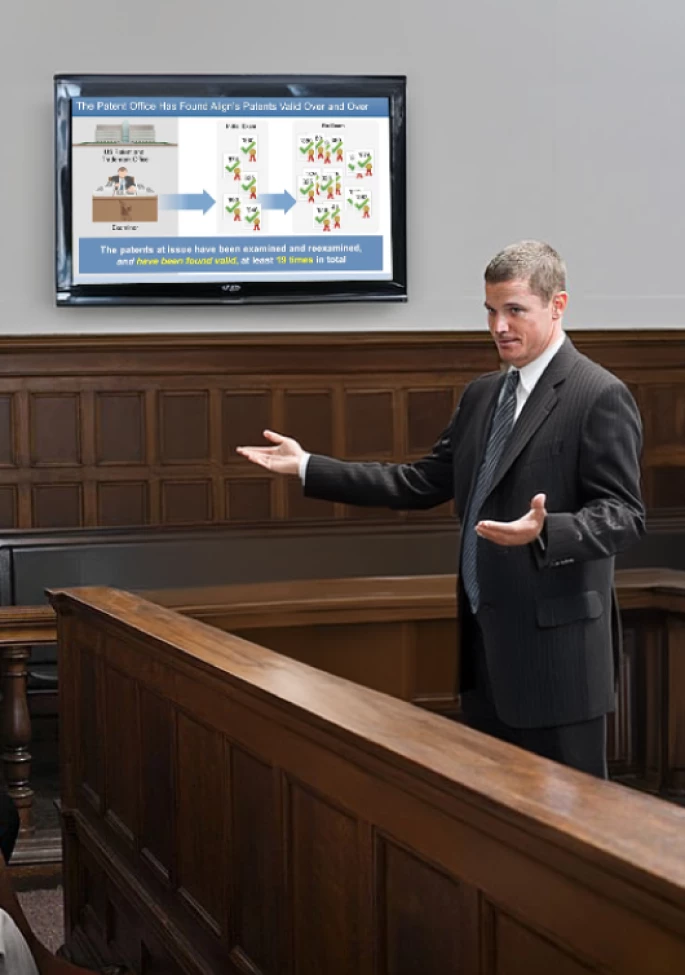

In the courtroom, statistical evidence can be a powerful asset, but only when jurors understand the story the numbers tell. When that clarity is missing, critical data can be misinterpreted or overlooked.
This challenge was the focus of a recent IMS Elevate episode featuring Trial Consultant Michelle Cooper, JD, and Affiliate Advisor Steve Pomerantz, PhD, hosted by Senior Jury Consulting Advisor Chris Dominic. They examined why jurors’ intuition may conflict with statistical reasoning and how trial teams can keep their case narrative on track.
What “Significant” Really Means
The courtroom is not a statistics class, and jurors are not likely to adopt an expert’s vocabulary overnight. To statisticians, significance has a precise, technical meaning tied to probability and model design. To jurors, however, “significant” may simply mean something important. This gap in interpretation becomes a challenge the moment charts, models, or scatter plots appear in expert testimony. Jurors instinctively search for patterns, interpreting visual information through everyday reasoning rather than a mathematical lens.
When Instinct Drives Interpretation
Dr. Pomerantz highlighted the tension between what the math shows and what jurors believe it shows. When jurors look at a scatter plot or data table, their attention often goes straight to whatever looks unusual, even if that point has no real statistical meaning. He notes that part of an expert’s role is helping jurors understand why certain data points appear the way they do and how to interpret them within the broader analysis.
This is a familiar dynamic for trial teams. Experts may present sound, carefully prepared analysis, yet jurors can still latch onto gaps or unexpected points, especially when those visuals conflict with their intuition. The result is a disconnect between what the data actually shows and what jurors believe it shows, underscoring the need for testimony and graphics that guide jurors toward the scientific interpretation rather than letting assumptions dictate outcomes.
When Patterns Create Conclusions
To illustrate how quickly juror intuition can override statistical evidence, Michelle Cooper introduced a straightforward example: an immunization record. For several years, the entries follow a clean, predictable pattern. Then one year, something is absent. As she explained, “A juror sees a clean checklist for years, and then something seems like it’s missing. That feels like causation. But the math might say it’s not significant at all.”
This reaction is especially common among what Michelle called “checklist jurors”—people who follow linear logic, closely track patterns, and immediately notice disruptions. In these situations, the checklist itself becomes a narrative. Jurors may assume the missing element signals a meaningful change, even if the statistical analysis shows otherwise.
Michelle noted that simple, sequential visuals can be extremely effective for demonstrating whether an exception is meaningful. When the reasoning behind an outlier is explained clearly, jurors are better able to follow the scientific information rather than rely on intuition alone.
Bridging the Statistical Gap
It is key for legal teams to remember that jurors do not arrive in court with a framework for interpreting statistics. When faced with dense or unfamiliar data, they fall back on instinct, pattern recognition, and their own concept of what feels significant.
An effective trial strategy requires meeting jurors at that intuitive starting point, then guiding them toward the correct scientific conclusion. This often includes:
- Clarifying why outliers appear, and whether they matter
- Explaining model limitations, such as mis-specified variables or missing factors
- Using simple visuals to emphasize patterns
- Helping jurors understand probability concepts without overwhelming them with complex math
By pairing natural visuals with targeted explanation, trial teams can prevent jurors from drawing unintended conclusions and keep the narrative anchored in the facts.
Relying on Integrated Expertise
IMS Legal Strategies has worked alongside trial teams for more than three decades, supporting thousands of cases involving complex data, statistical analysis, and technical evidence. Our integrated teams, including statistical experts like Dr. Pomerantz and trial consultants like Michelle Cooper, help clients translate dense information into clear, credible courtroom narratives.
From pre-suit consulting and expert witness placement to visual communication and presentation support, IMS equips legal teams with the support needed to promote best-case outcomes. Contact us to get started.