Adam Bloomberg: Hello, I’m Adam Bloomberg, Senior Client Success Advisor here at IMS Legal Strategies. Today’s discussion is going to focus on something that can significantly influence case strategy, risk evaluation, and ultimately better outcomes. We’re talking about expert witness strategy and the process behind identifying, vetting, and aligning the right experts in complex matters.
If you’re watching the recording of this broadcast, please like and follow us here on LinkedIn and also on our YouTube channel.
Joining us today is Erica Evans, Senior Director of Expert Services, and leading today’s discussion is my colleague Marie-Petra Adams, Vice President of Client Experience. Handing it over to you, Marie.
Marie-Petra Adams: Thanks, Adam. Erica, I’m excited to have this conversation with you today because I think locating an expert can be one of the least understood aspects of litigation. I think people often assume it’s just about finding a professional with the right resume. But in reality, there’s a much larger strategic process playing out beneath the surface. And you’ve brought us two case studies today that really show how nuanced this process can be.
Erica Evans: Well, first, thank you for having me, Marie. I’m looking forward to the conversation as well. And you’re right—every case is different. Sometimes attorneys know exactly the type of expertise they need. Other times, they know the technical issue, the damages issue, or maybe a communication concern, but they’re not sure what type of expertise is best suited for the case. And that’s where we can step in and help. A large part of our role is helping litigators think strategically about those questions, even before the search process begins.
Marie-Petra Adams: I think that’s an important distinction. It’s not just about “find me an expert.” There’s usually a broader, deeper discussion around the specific needs of the case and the type of expert that best fits that need. So what do those early conversations look like with attorneys?
Erica Evans: Sure. The initial conversations are something we refer to as the expert specification call. It’s really an opportunity for the search team and the client to get on a call together and understand the bigger picture of the case. What we like to know is a little more about the theory of the case, the technical issues, any vulnerabilities, what might confuse the judge, jury, mediator, or arbitrator, and what the opposing side may potentially argue. The key question becomes: what type of expert will actually help explain the issue credibly and clearly? Because what we find is that sometimes the most qualified person on paper is ultimately not the best communicator. That’s why communication and presence become part of the strategy. It’s not just about credentials.
Expert selection is typically equal parts qualifications, expertise, credibility, communication, and relatability. An expert can have world-class credentials, but if they struggle to talk through complicated issues clearly and simply, that can become a challenge quickly for our clients. Our researchers and recruiters are tasked with evaluating expertise, testimony history, communication style, disposition, publications, and then, maybe most importantly, how they may present under pressure.
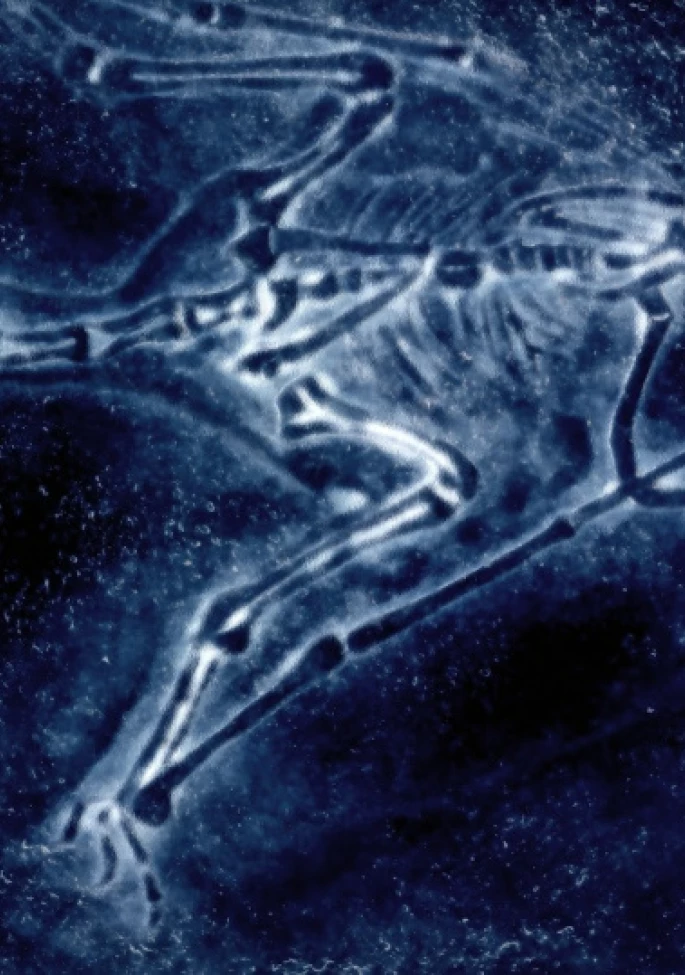
Marie-Petra Adams: So let’s start with one of the most unique case studies you’ve brought us, because I think it perfectly illustrates how unpredictable expert witness strategy can become. This matter involved a dispute over dinosaur fossils and questions surrounding fossil custody and ownership. How did a case like this come to your team?
Erica Evans: This was one of my most favorite cases, super fascinating. Cases like this typically start because an attorney realizes they’re dealing with a highly specialized subject matter issue outside traditional industries. For this case, the team needed someone who could address specific questions, including fossil identification, fossil handling practices, ownership considerations, and standards within the paleontology and fossil community. The challenge became: who has the right combination of scientific, practical, and litigation credibility? We can find someone knowledgeable about fossils, but finding someone who can explain those issues in a legal setting is entirely different.
These specialized searches involve extensive vetting and outreach. These experts are well-connected in the industry but may not market themselves as someone who testifies and does expert work. We find ourselves evaluating a different set of criteria: academic experience, field experience, museum or research affiliations, speaking ability, testimony history, and whether they can take highly scientific concepts and explain them to non-scientists.
One other thing worth mentioning: with something like paleontology, strong opinions or disagreements can exist in the field. We really get a sense of that during the interviewing process when our clients have the opportunity to talk with the expert.
Marie-Petra Adams: What I found so interesting about this example is how litigation can pull from such unimaginable disciplines.
Erica Evans: That’s right. And that’s one of the things we’ve learned in litigation: it constantly creates unusual factual questions. The challenge isn’t who’s the smartest person in the field; it’s who can explain whatever issue is involved in a credible, understandable way that’s directly relevant to the issues of the case. Judges, jurors, and mediators are rarely specialists themselves. An expert has to function like an educator. Expert strategy is often about translating complexity. No matter if it’s fossils or engineering or medicine, the goal remains the same: helping decision makers understand complicated issues enough to make informed decisions. That requires more than just credentials. It requires communication, clarity, and strategic alignment with the facts of the case.
A good test for us is whether the expert can effectively take highly specialized concepts and translate them into layman’s terms in a way that even our recruiters, who are not experts themselves, can understand. And the follow-on to that, assuming it goes to trial, is juror perception. Our jury consultants remind us that jurors are looking beyond just the opinion itself; they’re looking to see if the testimony feels understandable and credible.
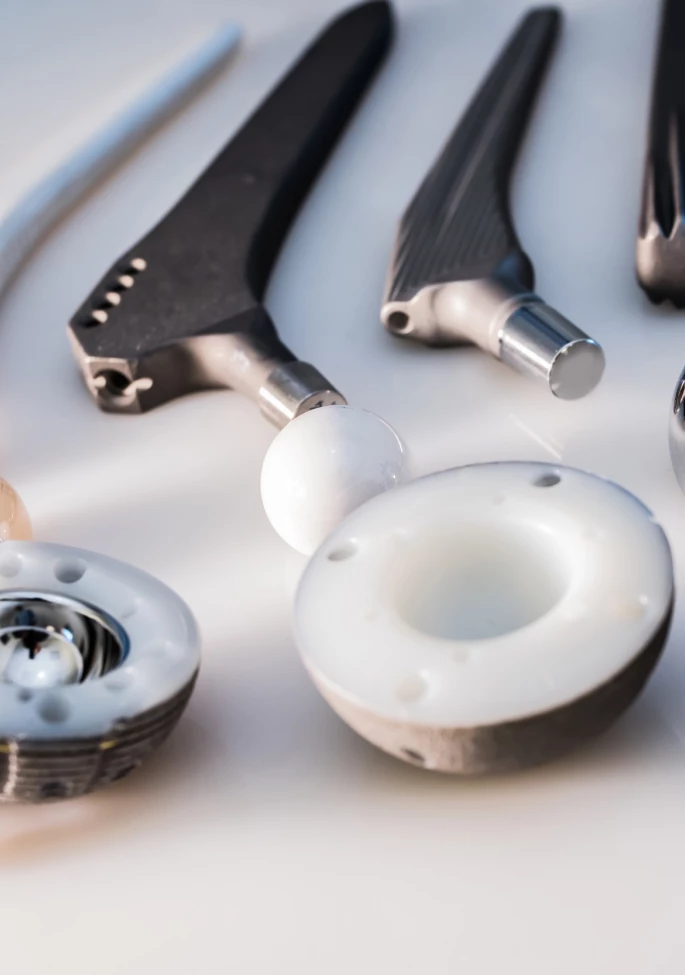
Marie-Petra Adams: Fascinating. So let’s go to the second case study. This takes us into the world of medical device patent litigation, combining technical engineering, medicine, and intellectual property strategy all in one case. A firm representing the plaintiff sought an expert with patent search experience to opine on what constitutes a reasonable prior art search. They needed someone who had experience with prior art for medical devices, had preferably been employed at the PTO, and had testified in depositions and at trial. What was so challenging about this one?
Erica Evans: A lot of requirements for this one, and you’re right, it was challenging. The mix between patent and medical device requires an extremely precise fit. The attorneys needed someone who not only understood the medical device itself, but had the technical depth and communication ability necessary for patent litigation. The expert needed to address device design, engineering principles, FDA considerations, and the ability to research prior art while also talking through highly technical patent concepts.
Credibility is critical because the audience may include sophisticated individuals—counsel, consultants, and judges—dealing with very detailed subject matter. And conflicts absolutely can play a part. These people are typically well-connected, which is what makes them good experts, but that can come with its own challenge. They could be connected to manufacturers or competitors, tied to a company with a relationship to those involved in the case, or even a prior litigant. So conflict analysis is a major part of vetting.
Ultimately, the expert needs to be understood by people who may not have an engineering or medical background. And one of the biggest challenges our clients and trial graphics team faces is translating highly technical concepts—simplifying them, but not oversimplifying them—whether that’s in a Markman hearing or at trial.
Marie-Petra Adams: And the outcome of that case?
Erica Evans: The case was determined in favor of the plaintiff with a nine-figure verdict. And the jury found that the infringement was intentional, which opened it up for treble damages.
Marie-Petra Adams: So the common theme we see in these two examples, whether it’s fossil identification or medical devices, the issue is often: can somebody explain complexity clearly and credibly?
Erica Evans: Yes. And at the end of the day, effective expert strategy often comes down to clarity. Thanks, Marie. It’s been great.
Marie-Petra Adams: Thank you, Erica. Adam, sending it back to you.
Adam Bloomberg: Great conversation. Erica and Marie, thank you. And to everyone out there, thank you so much for joining us for another IMS Elevate discussion. If you’ve enjoyed this conversation, please like and follow us here on LinkedIn and on YouTube. We’ll see you next time.
Thank you to our guests for speaking with us today. To discover how the IMS team can help give your case an edge, check out imslegal.com or shoot us an email at contactus@imslegal.com.
For over 30 years and across more than 65,000 cases worldwide, IMS has partnered with trusted law firms and corporations throughout the litigation lifecycle, providing comprehensive expertise and technology to help clients solve complex challenges.